outdoor pilates exercise
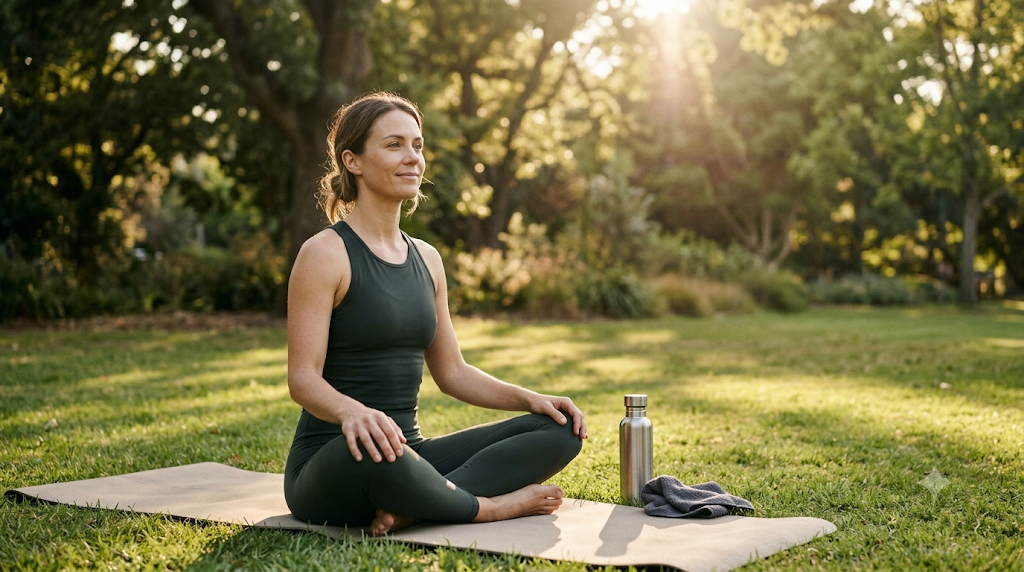
5 Best Outdoor Pilates Exercises to Refresh Your Workout Routine Meta Title: 5 Best Outdoor Pilates Exercises for a Stronger, More Flexible Body Meta Description: Take your Pilates workout outdoors with these 5 beginner-friendly exercises. Learn how to do the Hundred, Single-Leg Circles, Double-Leg Stretch, Swimming, and Horse Kicks. Focus Keyword: outdoor Pilates exercises Secondary Keywords: outdoor Pilates workout, Pilates exercises for beginners, Pilates routine, outdoor workout, Pilates for flexibility, full-body Pilates exercises 🌿 What If Your Next Workout Didn’t Happen Inside a Gym? Same mat. Same exercises. Same four walls. After a while, even a workout you love can start feeling repetitive. So why not change the scenery? Take your Pilates mat outside, breathe in some fresh air, and turn your regular routine into an outdoor Pilates workout. Pilates focuses on controlled movement, core engagement, breathing, balance, and flexibility. Taking those movements outdoors can give your routine a refreshing change while helping you reconnect with your surroundings. And you don’t need an entire gym setup. Just grab a mat, bring some water, find a comfortable flat surface, and get moving. Why Try Pilates Outdoors? Changing your workout environment can make exercise feel more enjoyable and less repetitive. Outdoor activity can also provide an opportunity to spend time in nature and take a mental break from indoor surroundings. Snap Fitness highlights outdoor exercise as a way to change your environment and potentially support mood, relaxation, and mental clarity. Ready to step outside? Here are five Pilates exercises you can add to your outdoor routine. 🧘 1. The Hundred Wake Up Your Core If Pilates had a signature move, the Hundred would be a strong contender. This classic exercise combines controlled breathing with repeated arm movements while your core works to stabilize your body. How to Do the Hundred The goal isn’t to move as quickly as possible. Control beats speed. Keep your movements smooth and focus on maintaining steady breathing throughout the exercise. 🔄 2. Single-Leg Circles Small Movement. Serious Control. Don’t let the simple-looking movement fool you. Single-leg circles challenge your ability to control your moving leg while keeping the rest of your body stable. How to Do It The Secret? Keep your hips as stable as possible. Instead of making huge circles, start small and focus on control. This exercise can fit nicely into a Pilates routine focused on mobility, coordination, and core stability. 🧘♀️ 3. Double-Leg Stretch Challenge Your Core Without Equipment Here’s where your core gets to work a little harder. The Double-Leg Stretch combines movement of both your arms and legs while requiring you to maintain control through your torso. How to Do It Make It Easier If fully extending your legs feels too challenging, keep them higher above the ground. The priority is maintaining good control rather than forcing a larger range of motion. 🏊 4. Pilates Swimming Take Your Core Workout to the Floor No pool required. The Pilates Swimming exercise mimics the alternating movement of swimming while you’re lying on your stomach. It works coordination, trunk stability, and posterior-chain muscles while requiring controlled alternating movements. How to Do It Think “Long,” Not “High.” You don’t need to lift your arms and legs dramatically. Focus on reaching through your limbs while keeping your movements controlled. 🐴 5. Horse Kicks Finish With a Glute-Focused Challenge Ready for the final move? Horse Kicks add a dynamic lower-body movement to your outdoor Pilates routine. They are performed from a hands-and-knees position and require you to control the movement of one leg at a time. How to Do It Keep your torso stable throughout the movement. Don’t Swing Your Leg. A controlled kick is more useful than simply trying to move your leg as far or as fast as possible. Focus on your posture, stability, and smooth movement. 🌳 How to Build Your Outdoor Pilates Routine You don’t need to perform every exercise for a long time. Try this simple structure: Beginner Outdoor Pilates Flow Warm-up: 3–5 minutes of gentle mobility The Hundred: Controlled breathing cycles Single-Leg Circles: Several controlled circles per leg Double-Leg Stretch: 8–12 repetitions Swimming: Short controlled intervals Horse Kicks: Several repetitions per side Cool-down: 3–5 minutes of gentle stretching Start with a manageable amount of work and gradually increase the duration or repetitions as you become more comfortable. ☀️ What Do You Need for Outdoor Pilates? One of the biggest advantages of Pilates is how little equipment you need. Your basic outdoor setup: 🧘 Pilates or yoga matProvides a cleaner and more comfortable surface. 💧 Water bottleKeep hydration nearby, especially in warm weather. 🧴 SunscreenOutdoor workouts mean increased sun exposure, so protect exposed skin. 👟 Comfortable clothingChoose clothing that allows unrestricted movement. 🌳 A flat surfaceLook for a stable, relatively even area before starting. Snap Fitness similarly notes that a mat and water bottle can be enough to take Pilates outdoors. ⚠️ Outdoor Pilates Safety Tips Outdoor workouts are enjoyable, but your surroundings matter. Check Your Surface Avoid uneven ground, sharp objects, slippery areas, or unstable surfaces. Protect Yourself From the Sun Choose an appropriate time of day, use sun protection, and take breaks when necessary. Stay Hydrated Keep water nearby, particularly during hot or humid conditions. Listen to Your Body If an exercise causes pain rather than normal muscular effort, stop and reassess your technique. Start Slowly You don’t need to complete an advanced routine on day one. Build your control and confidence gradually. 💚 Why Your Workout Routine Doesn’t Have to Stay the Same Fitness isn’t always about pushing harder. Sometimes, it’s about changing the environment so you actually want to keep moving. An outdoor Pilates session can turn an ordinary workout into a chance to move, breathe, and enjoy your surroundings. You can work on your core control, mobility, balance, flexibility, and body awareness without complicated equipment. And you can make the entire routine fit into a small part of your day. 🌿 Your Next Pilates Session Is Outside The next time your regular workout starts feeling repetitive, don’t
protien shake
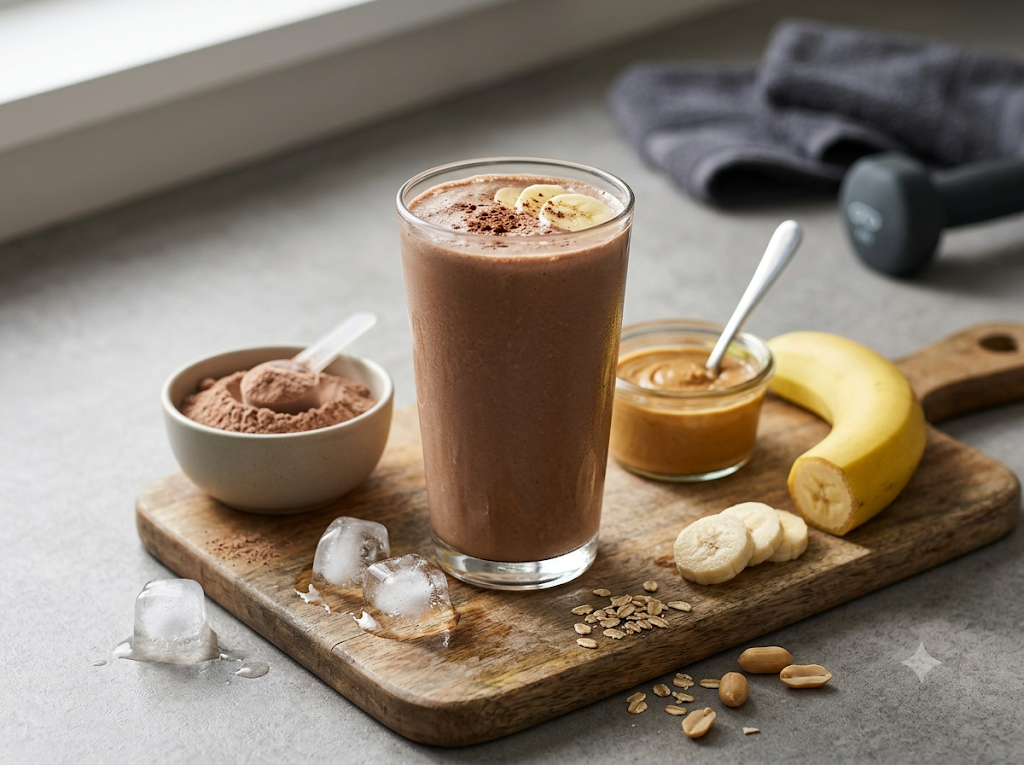
3 High-Protein Shake Recipes for Muscle Growth & Recovery Meta Title: 3 Protein Shake Recipes for Muscle Growth & RecoveryMeta Description: Looking for easy protein shake recipes for muscle growth? Try these 3 delicious post-workout shakes packed with protein, carbs, healthy fats, and essential nutrients.Focus Keyword: protein shake recipes for muscle growthSecondary Keywords: post workout protein shake, high protein shake, protein shakes for muscle gain, healthy protein shake recipes, homemade protein shake 🥤 Your Workout Is Done. Now the Real Recovery Begins. You finished your last set. Your muscles are tired. Your shirt is soaked. You know you gave the workout everything you had. But here’s the part many people overlook: What you do after your workout matters too. Your body needs nutrients to support muscle repair and recovery, and getting enough protein throughout the day is an important part of a muscle-building diet. A protein shake can be a convenient way to add protein to your diet—especially when you don’t have time to prepare a full meal. And no, your post-workout shake doesn’t have to taste like chalk. From a rich chocolate banana shake to a refreshing mango coconut blend, these three homemade protein shake recipes are designed to make your recovery routine easier—and much more enjoyable. 💪 Why Protein Matters for Muscle Growth Strength training challenges your muscles by creating small amounts of muscle damage. Your body then uses nutrients—including amino acids from dietary protein—to support repair and adaptation. That’s why protein is such an important part of nutrition for people who regularly train. A balanced post-workout option can combine: The original Snap Fitness article similarly highlights protein’s role in muscle repair and recovery after exercise. citeturn0view0 But here’s the good news: You don’t need an elaborate recipe. With a blender and a handful of everyday ingredients, you can create a satisfying shake in minutes. 🥇 1. Chocolate Banana Muscle-Building Shake Rich. Creamy. Chocolatey. And incredibly easy. If you’re the kind of person who believes chocolate makes everything better, start here. Banana provides carbohydrates and potassium, while peanut butter adds flavor, fats, and some additional protein. Protein powder helps make the shake a convenient high-protein option. citeturn0view0 Ingredients How to Make It Add everything to a blender. Blend until smooth and creamy. Want it thicker? Add more ice. Want it thinner? Add a little more milk. Pour into a glass, grab your shaker straw or spoon—and enjoy. Why You’ll Love It The combination of banana, peanut butter, and chocolate creates a naturally satisfying flavor while providing a mixture of protein, carbohydrates, and fats. It’s particularly useful when you want something quick after training without preparing a full meal. 🥭 2. Tropical Mango Coconut Protein Shake Your Workout Recovery Just Got a Tropical Upgrade. Close your eyes. One sip—and you’re somewhere with a beach, sunshine, and absolutely no post-workout stress. Okay, maybe not quite. But this creamy mango protein shake definitely brings tropical flavor to your routine. Mango contributes carbohydrates and micronutrients, while Greek yogurt and protein powder increase the protein content. Chia seeds also add fiber and healthy fats. citeturn0view0 Ingredients How to Make It Add the mango, coconut milk, Greek yogurt, protein powder, chia seeds, and ice to your blender. Blend until completely smooth. Pour into your favorite glass and enjoy immediately. Quick Tip Using frozen mango can give your shake a naturally thick and cold texture without requiring a huge amount of ice. 🍓 3. Berry Blast Protein Shake Sweet. Refreshing. Packed With Flavor. Not a chocolate person? No problem. This berry shake brings together the refreshing taste of mixed berries with oats, flaxseeds, and protein powder. Berries contribute vitamins and antioxidants, while oats and flaxseeds add fiber and healthy fats. citeturn0view0 Ingredients How to Make It Add all ingredients to a blender. Blend until smooth. If the shake is too thick, add a splash of milk. If you want it colder and thicker, add a few extra ice cubes. That’s it. No complicated preparation. No fancy equipment. Just a blender and a few ingredients. ⏱️ When Should You Drink a Protein Shake? There’s no magic minute where your muscles suddenly stop accepting protein. What matters most is your overall protein intake and balanced nutrition throughout the day. A protein shake can be particularly convenient: 🏋️ After Your Workout A shake can be an easy way to get protein and other nutrients into your diet after training. 🌅 At Breakfast Add fruit, oats, yogurt, or nut butter to create a more substantial meal. 🧑💻 Between Meals A balanced shake can work as a convenient snack when you’re busy. 🚗 When You’re On the Go Blend it before leaving home and take it with you in a suitable insulated bottle. 🥛 How to Make Your Protein Shake Better A protein shake doesn’t have to be complicated. Use this simple formula: Protein + Fruit + Liquid + Extras = Your Perfect Shake Protein:Protein powder, Greek yogurt, milk, or another protein-rich ingredient. Fruit:Banana, mango, berries, strawberries, or whatever you enjoy. Liquid:Milk, unsweetened almond milk, coconut milk, or another preferred option. Extras:Oats, chia seeds, flaxseeds, peanut butter, cinnamon, or cocoa powder. ⚡ 5 Easy Ways to Upgrade Your Shake 1. Make It Thicker Use frozen fruit instead of fresh fruit and adjust the liquid gradually. 2. Add More Protein Greek yogurt or an appropriate serving of protein powder can increase the protein content. 3. Add More Calories If you’re trying to gain weight, ingredients such as oats, nut butter, or milk can make the shake more energy-dense. 4. Keep Added Sugar Under Control You don’t necessarily need lots of honey or sweeteners. Ripe fruit can provide plenty of natural sweetness. 5. Experiment Don’t get stuck drinking the same shake every day. Try banana today. Berry tomorrow. Mango the day after. Your blender has more possibilities than you think. 💡 Protein Shake Mistakes to Avoid ❌ Treating a Shake as a Complete Diet A shake can be convenient, but whole foods still have an important place in a balanced diet.

healthy pizza
Crispy Cauliflower Crust Pizza: A Deliciously Healthy Twist on Pizza Night Meta Title: Crispy Cauliflower Crust Pizza Recipe | Healthy & Gluten-FreeMeta Description: Craving pizza but looking for a lighter option? Try this crispy cauliflower crust pizza recipe with simple ingredients, cheesy flavor, and delicious toppings.Focus Keyword: cauliflower crust pizzaSecondary Keywords: healthy cauliflower pizza, cauliflower pizza crust recipe, gluten-free pizza, healthy pizza recipe, low-carb pizza crust 🍕 Want Pizza Without the Heavy Crust? Pizza night doesn’t have to mean giving up on your healthy eating goals. Imagine biting into a crispy, cheesy pizza crust, loading it with your favorite toppings, and enjoying every bite—without relying on a traditional flour-based crust. That’s where cauliflower crust pizza comes in. Made with fresh cauliflower, cheese, herbs, and egg, this creative pizza base gives a classic favorite a lighter twist. It is also an easy way to add more vegetables to your meal while keeping pizza night exciting. Why Is Cauliflower Crust Pizza So Popular? Traditional pizza crust is usually made from refined flour, while cauliflower pizza crust uses finely processed cauliflower as its main ingredient. Depending on the recipe and ingredients used, cauliflower crust can provide more vegetables and fiber while reducing the amount of traditional flour-based carbohydrates. However, not every store-bought cauliflower crust is automatically healthier. Some packaged versions may contain added flour, starch, oils, or other ingredients. Always check the ingredient list and nutrition information before buying. So why not make it yourself? A homemade cauliflower pizza crust lets you control what goes into your meal—and the result can be surprisingly delicious. 🥦 What Makes a Cauliflower Pizza Crust Different? The secret is surprisingly simple: turn cauliflower into a rice-like texture, remove excess moisture, combine it with a few binding ingredients, and bake it until golden. The biggest trick? Get the water out. Cauliflower naturally contains plenty of moisture. If you skip the squeezing step, your crust can become soft instead of crispy. Once the cauliflower has been cooked and cooled, place it inside a clean kitchen towel and squeeze out as much liquid as possible. That one step can make a huge difference in texture. 🛒 Ingredients You’ll Need You don’t need a long shopping list to make this healthy pizza crust. For the Cauliflower Crust: You can also customize the seasoning depending on your taste. Want more flavor? Add a little extra garlic powder, Italian seasoning, black pepper, or chili flakes. 👨🍳 How to Make Cauliflower Crust Pizza Step 1: Prepare the Cauliflower Start by washing the cauliflower thoroughly and drying it well. Cut the cauliflower into florets and remove the tough stem. Place the florets into a food processor and pulse until they reach a fine, rice-like consistency. Don’t blend continuously into a puree. You want a texture that resembles cauliflower rice. Step 2: Cook the Cauliflower Transfer the processed cauliflower into a microwave-safe bowl and cook it for approximately four minutes. Allow it to cool enough to handle safely. Now comes the most important part. Step 3: Squeeze Out the Moisture Transfer the cooked cauliflower onto a clean kitchen towel. Wrap it up and squeeze firmly to remove as much excess water as possible. Don’t rush this step. The drier your cauliflower mixture is, the easier it will be to create a crust that holds together and develops a crispier texture. [IMAGE REQUIRED – Close-up of hands squeezing cooked cauliflower inside a clean kitchen towel, showing moisture being removed] Step 4: Mix Your Crust Ingredients Place the squeezed cauliflower into a bowl. Add: Mix everything thoroughly until you have a cohesive mixture. If the mixture seems too wet, a small amount of cornmeal can help improve the consistency. 🔥 Step 5: Shape and Bake the Crust Preheat your oven to approximately 230°C. Place parchment paper onto a baking sheet and lightly coat it with cooking spray or oil. Transfer the cauliflower mixture onto the parchment paper. Using your hands or a spatula, carefully spread and shape it into an even pizza crust. Avoid making the center dramatically thicker than the edges. Bake the crust for approximately 8–11 minutes, or until it begins to turn golden brown. 🧀 Step 6: Add Your Favorite Toppings Now comes the fun part. Once the crust has baked and cooled slightly, add your favorite pizza toppings. Try combinations such as: 🌶️ Veggie Lover 🍗 Protein-Packed 🌿 Fresh & Simple You can make your pizza completely vegetarian or customize it with your preferred protein. Just remember: piling on too many wet toppings can make the crust softer. 🔥 Step 7: Bake It Again Return your topped pizza to the hot oven. Bake for another 5–7 minutes, or until the cheese becomes melted, bubbly, and lightly golden. Remove it from the oven and allow it to rest for a couple of minutes before slicing. Then comes the best part. Slice. Serve. Enjoy. 💪 Is Cauliflower Crust Pizza Healthy? It can be a useful alternative to traditional pizza, but “healthy” depends on the ingredients, portion size, and toppings you choose. Cauliflower itself provides nutrients and dietary fiber, while replacing some of the flour-based crust with vegetables. The recipe featured by Snap Fitness lists approximately 75 calories per serving, with about 3.7 grams of dietary fiber and 5 grams of protein per slice based on its stated recipe and serving size. citeturn0search0 However, ingredients such as cheese and eggs also contribute fat and cholesterol, so cauliflower crust shouldn’t automatically be treated as a low-calorie food. The toppings matter too. A pizza loaded with vegetables, moderate cheese, and a balanced protein source will have a very different nutritional profile from one covered in high-fat meats and extra cheese. 🌱 Is Cauliflower Pizza Gluten-Free? A homemade cauliflower crust can be gluten-free when all ingredients used are gluten-free. But there’s an important catch. Store-bought cauliflower crust does not automatically mean gluten-free. Some commercial products may contain wheat flour, starches, or other ingredients. If you need to avoid gluten, always read the packaging carefully and look for appropriate gluten-free
Effortless way to eat Greens
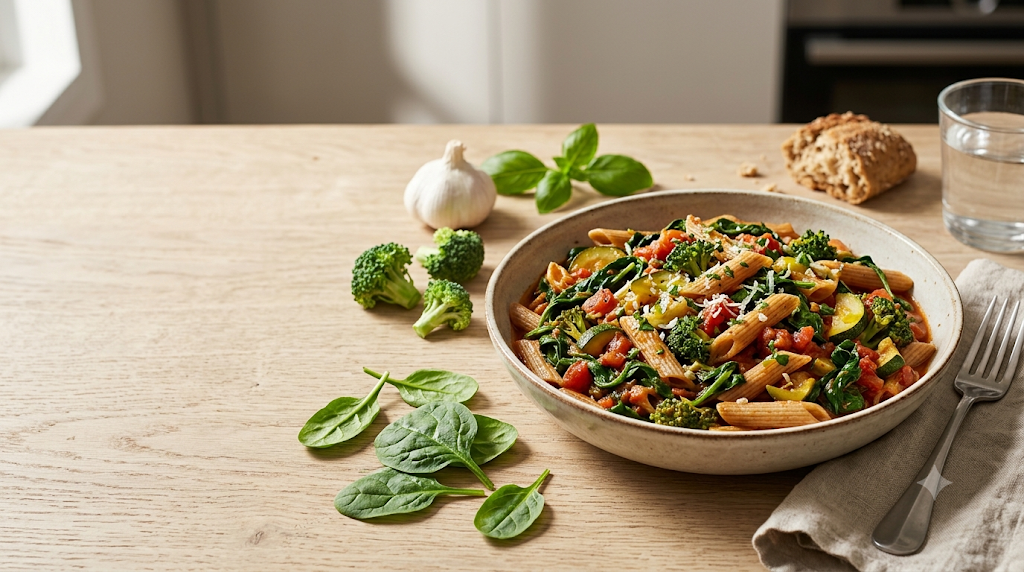
5 Easy Ways to Eat More Greens Every Day Without Boring Meals Want to eat healthier but don’t enjoy eating a plate full of vegetables? You’re not alone. Adding more leafy greens to your diet doesn’t mean forcing yourself to eat plain salads every day. With a few simple changes, you can add spinach, kale, broccoli, lettuce, and other green vegetables to meals you already enjoy. Whether you’re trying to improve your everyday nutrition, support your fitness goals, or simply build healthier eating habits, these 5 easy ways to eat more greens can make the process simple—and surprisingly delicious. The best part? You don’t need to completely change your diet. You just need to make your existing meals a little greener. Why Should You Eat More Greens? Leafy green vegetables are a convenient way to add important nutrients and fiber to your meals. Spinach, kale, broccoli, cabbage, lettuce, and similar vegetables can bring more variety, texture, color, and nutrition to your everyday diet. But here’s the problem: Knowing that vegetables are healthy doesn’t automatically make you want to eat them. Busy schedules, repetitive meals, and convenience foods can make it easy to overlook vegetables. That’s why instead of asking yourself, “How can I eat a huge bowl of vegetables?”, try asking: “How can I add a little more green to the food I already love?” That small mindset shift can make healthy eating much easier. 1. Blend Greens Into Your Morning Smoothie If you don’t particularly enjoy the taste of leafy greens, smoothies are one of the easiest places to start. A handful of fresh spinach or kale can be blended with naturally sweet ingredients such as bananas, berries, mango, pineapple, or apples. The result? A refreshing smoothie where the fruit provides most of the flavor while the greens quietly add extra nutrition. Easy Green Smoothie Idea: Blend everything until smooth and enjoy. Pro tip: Start with a small amount of spinach and gradually increase it as you get used to the flavor. Why this works You don’t need to completely redesign breakfast. Simply adding greens to a smoothie you’re already making can turn an ordinary drink into a more nutrient-packed option. 2. Hide Greens in Sauces, Soups, and Curries Here’s a simple trick: Don’t always serve your vegetables separately. Mix them into the food you’re already eating. Finely chopped spinach, kale, broccoli, zucchini, peas, or other vegetables can be incorporated into sauces, soups, pasta dishes, and even homemade curries. For example, try adding chopped spinach to tomato pasta sauce or blending cooked vegetables into a soup. The flavors from herbs, spices, tomatoes, garlic, onions, or other ingredients can make the greens feel like part of the dish rather than something you’re forcing yourself to eat. Quick idea Making pasta? Add chopped spinach during the final few minutes of cooking and let it wilt into the sauce. Making soup? Blend cooked vegetables into the soup for a smooth texture. Making a curry? Add finely chopped greens along with your other vegetables. The goal isn’t to hide vegetables forever. It’s simply a convenient way to make eating more vegetables feel natural while you’re developing the habit. 3. Give Your Breakfast a Green Upgrade Breakfast doesn’t have to be limited to toast, cereal, or a sweet snack. It’s actually one of the easiest meals to add vegetables to. Try adding spinach, kale, zucchini, mushrooms, tomatoes, or other vegetables to: For example, sauté some spinach with onions and add it to scrambled eggs. It’s quick, simple, and doesn’t require a completely different breakfast routine. Try make-ahead egg muffins Mix eggs with chopped spinach and your favorite vegetables, pour the mixture into muffin molds, and bake. Prepare several at once and store them properly for quick breakfasts during busy mornings. Small change. Big habit. When vegetables become part of your first meal, you’re already one step closer to making greens a normal part of your day. 4. Turn Greens Into Better Snacks When hunger hits between meals, it’s easy to reach for chips, cookies, or highly processed snacks. But snacks can also be an opportunity to add more vegetables. Try options such as: Want something crunchy? Try homemade kale chips. Remove the thick stems, wash and thoroughly dry the leaves, lightly coat them with oil and seasonings, then bake until crisp. You can experiment with flavors such as garlic, black pepper, paprika, or other seasonings. Make healthy snacks convenient This is important. If vegetables are washed, chopped, and ready to eat, you’re much more likely to reach for them. Spend a few minutes preparing vegetables after grocery shopping so your healthier choices are easier to grab when hunger strikes. 5. Mix Greens Into Rice, Pasta, and Grain Bowls You don’t need to eat a salad to eat more greens. One of the easiest methods is to mix vegetables directly into your favorite rice, pasta, quinoa, or grain-based meals. Try adding: Spinach + rice + grilled vegetables Kale + pasta + tomato sauce Broccoli + quinoa + chickpeas Spinach + noodles + tofu or chicken Mixed greens + grain bowl + beans The possibilities are almost endless. One-pot green pasta Cook your favorite pasta and add chopped spinach or kale during the final few minutes. Mix everything with your preferred sauce, herbs, vegetables, and protein. The greens wilt into the dish, creating a colorful and satisfying meal without requiring an additional side dish. How to Start Eating More Greens Without Feeling Overwhelmed Trying to completely change your diet overnight can make healthy eating feel like a chore. Instead, start small. Try the “One Green Addition” rule. For the next week, simply add one green vegetable or leafy green to one meal every day. For example: Monday: Spinach in your eggsTuesday: Spinach in your smoothieWednesday: Broccoli with lunchThursday: Greens in your pastaFriday: Cucumber and lettuce in your sandwichSaturday: Kale chips as a snackSunday: Spinach in your dinner Once that becomes easy, add another serving. Healthy eating doesn’t have to happen all at once. Consistency beats
apple cider
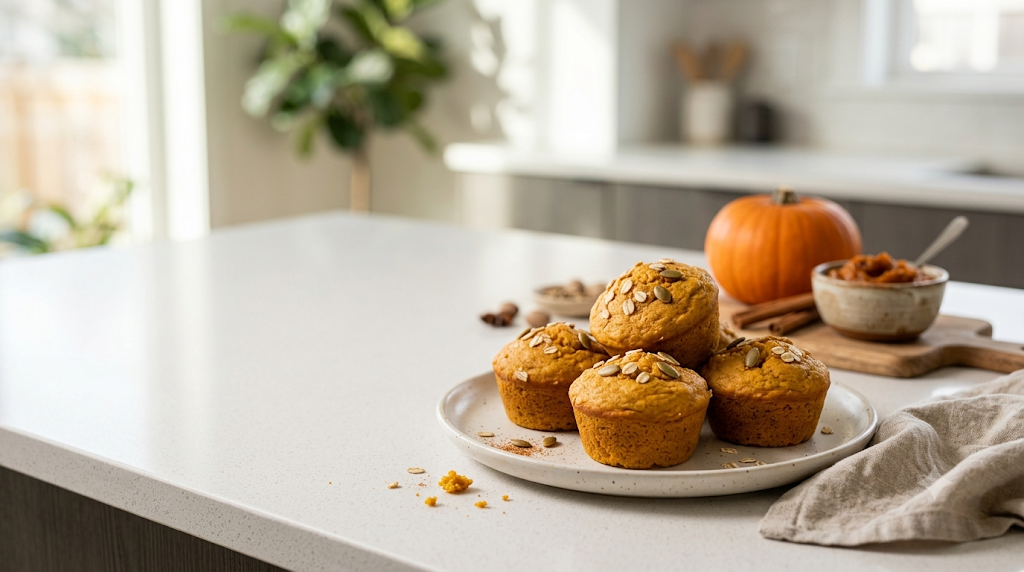
Easy Pumpkin Protein Muffins: A Delicious High-Protein Snack Pumpkin season is here—and your snack routine just got a whole lot more exciting. Imagine biting into a soft, warmly spiced muffin that tastes like your favorite fall treat but also brings protein to the table. Pumpkin protein muffins are an easy way to turn familiar seasonal ingredients into a convenient snack for busy mornings, afternoon cravings, or a post-workout bite. The best part? You don’t need complicated ingredients or advanced baking skills. Why You’ll Love These Pumpkin Protein Muffins Let’s be honest: healthy snacks can sometimes feel repetitive. These muffins bring something different. Pumpkin adds seasonal flavor and moisture, while Greek yogurt and vanilla protein powder help make the recipe more protein-focused. Applesauce contributes to the soft texture, while pumpkin pie spice gives every bite that familiar fall flavor. Protein is also an important nutrient involved in maintaining and repairing body tissues, making protein-rich foods a useful part of an overall balanced eating pattern. citeturn0view0 Whether you’re trying to make smarter snack choices, preparing breakfast ahead of time, or simply looking for a new way to enjoy pumpkin, these muffins are worth adding to your recipe rotation. What Makes a Protein Muffin Different? A traditional muffin can be delicious, but adding protein-rich ingredients can make it more substantial as part of a balanced snack. This recipe combines vanilla protein powder and nonfat Greek yogurt with pumpkin puree and applesauce. The result is a muffin designed around convenience, flavor, and protein—not just sweetness. And that’s what makes it particularly useful for people who want their snacks to work a little harder. Easy Pumpkin Protein Muffins Recipe Ingredients For this recipe, you’ll need: These quantities follow the recipe published by Snap Fitness. citeturn0view0 How to Make Pumpkin Protein Muffins 1. Get your oven ready.Preheat the oven to 375°F (190°C) and line a muffin tin with paper liners. 2. Mix the wet ingredients.In a large mixing bowl, combine the pumpkin puree, applesauce, Greek yogurt, sweetener, almond milk, and vanilla extract. 3. Prepare the dry ingredients.In a separate bowl, whisk together the flour, vanilla protein powder, baking soda, baking powder, and pumpkin pie spice. 4. Bring everything together.Gradually add the dry mixture to the wet ingredients. Stir until you have a smooth batter. Want a little extra texture? You can fold in chopped nuts or chocolate chips. citeturn0view0 5. Fill the muffin tin.Divide the batter evenly between the prepared muffin cups. 6. Bake.Place the muffins in the oven and bake for approximately 20 minutes, or until a toothpick inserted into the center comes out clean. 7. Let them cool.Allow the muffins to cool in the tin for a few minutes before moving them to a wire rack. That’s it. No complicated techniques. No elaborate equipment. Just a simple batch of pumpkin muffins ready to enjoy. When Should You Enjoy Pumpkin Protein Muffins? One of the biggest advantages of homemade muffins is flexibility. As a Quick Breakfast Pair a muffin with fruit, yogurt, or another favorite breakfast food for an easy start to your morning. As an Afternoon Snack Keep a batch available when you need something convenient between meals. Having prepared options around can make it easier to avoid reaching for whatever snack happens to be closest. After a Workout If you’re hungry after exercising, a protein-containing snack can be one option to include as part of your overall eating routine. Consider pairing a muffin with another nutritious food to create a more balanced snack. For Meal Prep Bake a batch ahead of time and you’ll have an easy homemade option ready when your week gets busy. [IMAGE REQUIRED: Person enjoying a pumpkin protein muffin with Greek yogurt and fruit at a bright breakfast table, creating a healthy lifestyle scene.] Simple Ways to Customize Your Muffins The basic recipe gives you plenty of room to experiment. Add crunch: Fold in chopped walnuts, almonds, or pecans. Make them chocolatey: Add chocolate chips for a richer flavor. Increase the spice: If you love bold fall flavors, adjust the pumpkin pie spice to suit your taste. Try different toppings: A light sprinkle of pumpkin spice or a few chopped nuts can make the finished muffins look extra inviting. Keep in mind that changing ingredients can alter the recipe’s nutrition, texture, sweetness, or baking time. Are Pumpkin Protein Muffins a Healthy Snack? They can be a convenient addition to a balanced eating pattern, particularly when you want a homemade snack that includes protein. However, “healthy” doesn’t mean every food needs to fit a particular calorie, protein, or carbohydrate target. Your overall eating pattern matters more than any single recipe. These muffins simply offer another practical way to combine familiar ingredients with a protein-focused approach. Ready for a Taste of Fall? You don’t need to choose between enjoying pumpkin season and being thoughtful about your everyday food choices. These easy pumpkin protein muffins bring together pumpkin, warm spices, Greek yogurt, and vanilla protein powder in a recipe that’s simple enough for a weekday and delicious enough to feel like a treat. So preheat the oven, grab your muffin tin, and bring a little pumpkin spice into your snack routine. One batch. A few simple ingredients. Plenty of fall flavor. SEO Publishing Details Primary keyword: pumpkin protein muffins Secondary keywords: Suggested title tag: Easy Pumpkin Protein Muffins Recipe | Healthy Fall Snack Suggested meta description: Make easy pumpkin protein muffins with pumpkin puree, Greek yogurt, vanilla protein powder, and warm spices. A simple, delicious fall snack. Suggested URL slug: /pumpkin-protein-muffins Suggested internal links: Healthy snack ideas, protein-focused nutrition content, meal-prep recipes, workout and recovery content. Suggested image alt text: Freshly baked pumpkin protein muffins with pumpkin and seasonal spices.

workout for arms
Biceps and Triceps Workout: 8 Best Exercises for Stronger, Toned Arms Strong arms aren’t just about how they look in a T-shirt. Your biceps and triceps play an important role in everyday movements, from carrying groceries and lifting objects to pushing, pulling, and performing other upper-body exercises. But here’s the thing: you don’t need an endless arm workout to make your training more effective. A well-structured biceps and triceps workout with the right exercises, controlled form, and consistent training can help you build stronger, more capable arms. Whether you’re a beginner stepping into the gym for the first time or someone looking to add more variety to their routine, these 8 biceps and triceps exercises can give your arm day a clear direction. Why Train Your Biceps and Triceps Together? Your biceps sit at the front of your upper arm and are heavily involved in elbow flexion and pulling movements. Your triceps are located at the back of the upper arm and contribute to elbow extension and pushing movements. Training both muscle groups gives your workout a balanced approach to arm strength. More importantly, strong arms can support other upper-body movements. Exercises such as rows, presses, pulls, and carries all rely on the muscles around your arms working effectively. And if your goal includes more visible muscle definition, remember that consistent resistance training matters far more than trying to destroy your arms in a single workout. The American College of Sports Medicine’s 2026 resistance-training guidance emphasizes consistency and matching training variables to your specific goal. So, let’s get into the exercises. 8 Best Biceps and Triceps Exercises for Your Arm Workout 1. Hammer Curls Primary target: BicepsEquipment: Dumbbells Hammer curls are a simple place to start your biceps workout. Stand tall with a dumbbell in each hand and keep your palms facing inward. Curl the weights toward your shoulders while keeping your elbows close to your body. Lower the dumbbells slowly instead of allowing them to drop. Form tip: Keep your elbows relatively still and avoid swinging your body to move the weight. Why include it? Hammer curls are an accessible variation that can train the elbow flexors while also involving the forearm muscles. 2. Concentration Curls Primary target: BicepsEquipment: Dumbbell and bench Sit on a bench with your legs positioned comfortably apart. Hold a dumbbell in one hand and place the back of your upper arm against your inner thigh. Now curl the dumbbell toward your shoulder while keeping the upper arm stable. Pause briefly at the top before lowering the weight with control. This exercise encourages you to focus on the working arm rather than relying on momentum. Pro tip: A lighter weight with controlled movement can be more useful than a heavier weight that causes your form to break down. 3. Cable Curls Primary target: BicepsEquipment: Cable machine Cable curls are a great option when you want to add variety to your arm workout. Set the cable at a low position and stand facing the machine. Keep your elbows close to your torso as you curl the handle upward toward your shoulders. Pause briefly at the top, then lower the weight under control. The goal isn’t simply to move the cable stack. Focus on making your biceps do the work. 4. Barbell Curls Primary target: BicepsEquipment: Barbell The barbell curl is a classic biceps exercise for a reason. Stand with your feet about shoulder-width apart and hold the barbell with an underhand grip. Keep your elbows close to your sides and curl the bar toward your shoulders. Then lower it slowly. The biggest mistake? Turning the exercise into a full-body swing. Keep your torso stable and use controlled movement rather than momentum. 5. Cable Triceps Pushdowns Primary target: TricepsEquipment: Cable machine Now it’s time to shift your attention to the back of the arm. Stand facing the cable machine and grip the bar or attachment. Keep your elbows close to your sides and push the handle downward until your arms are extended. Slowly return to the starting position. Form tip: Don’t automatically reach for the heaviest weight available. Excessive load can make it harder to maintain proper technique and may encourage your shoulders or torso to compensate. 6. Resistance Band Triceps Pushdowns Primary target: TricepsEquipment: Resistance band No cable machine? No problem. A resistance band can provide a convenient alternative for triceps training when you have an appropriate and secure anchor point. Attach the band securely above you, check the setup, and stand with your feet about hip-width apart. Keep your elbows close to your body and press the band downward. Return slowly to the starting position. Safety first: Always check that the anchor point and band are secure before beginning. 7. Bench Dips Primary target: TricepsEquipment: Sturdy bench or elevated surface Bench dips use your body weight to challenge your triceps. Place your hands on the edge of a stable bench, with your fingers facing forward. Move your body slightly away from the bench and lower yourself by bending your elbows. Then press through your hands to return to the starting position. If standard bench dips feel too demanding, a bent-knee variation can provide additional assistance. Important: Use a stable surface and stop if you experience pain, particularly around the shoulders. 8. Overhead Triceps Extensions Primary target: TricepsEquipment: Dumbbell Hold one dumbbell with both hands or use a weight in each hand. Raise the weight overhead while keeping your core engaged. Bend your elbows and slowly lower the weight behind your head. Then extend your elbows to bring the weight back overhead. Try to keep your chest stacked over your hips rather than arching your lower back. This movement gives you another way to train the triceps while adding variety to your upper-body workout. How to Structure Your Biceps and Triceps Workout You don’t necessarily need to perform every arm exercise separately with long rest periods. One approach used in the source workout is to organize exercises into biceps and triceps supersets, completing multiple rounds